
You can start
from where you are
online lgbtq+ therapy across Ontario
therapy for sexuality, gender and the complicated business of living in a body
This practice welcomes queer, trans, gender-diverse, neurodivergent, kinky, polyamorous, questioning and asexual people—as well as anyone tired of fighting themselves who is curious about what it might feel like to be more on their own side.
-
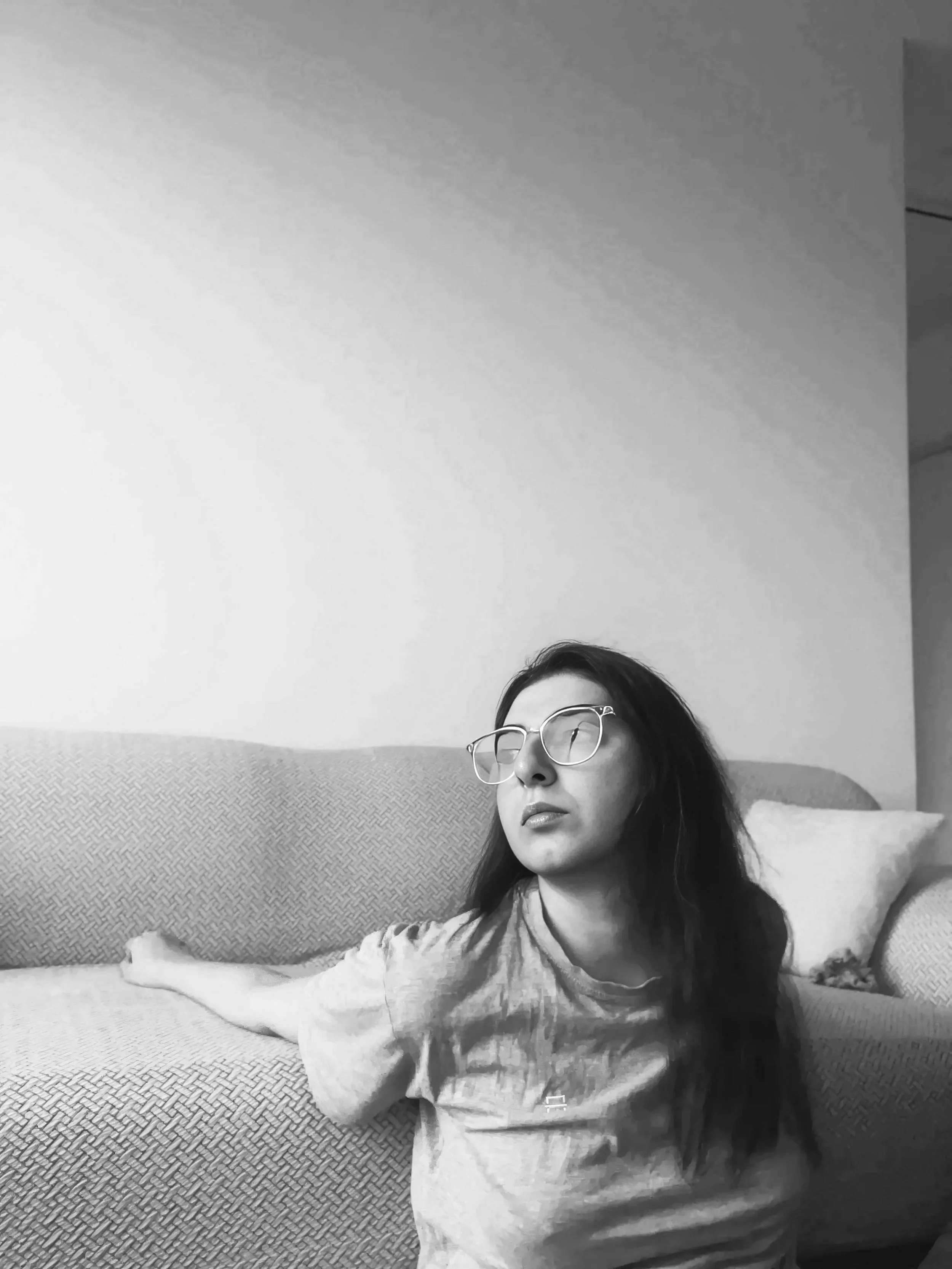
![A person wearing glasses reclines on a sofa with their eyes gazing to the side and one arm outstretched.]()
you're tired of fighting yourself
-
![A gender-ambiguous person rests their face at the surface of the water, their reflection rippling around them.]()
something about your gender doesn't feel right
-
![A person with short hair, painted fingernails and stretched earlobes looks through their fingers while covering most of their face.]()
you're disconnected from your body, or at war with it
-
![A hand reaches into flowing water.]()
you've lost touch with what feels good to you
-
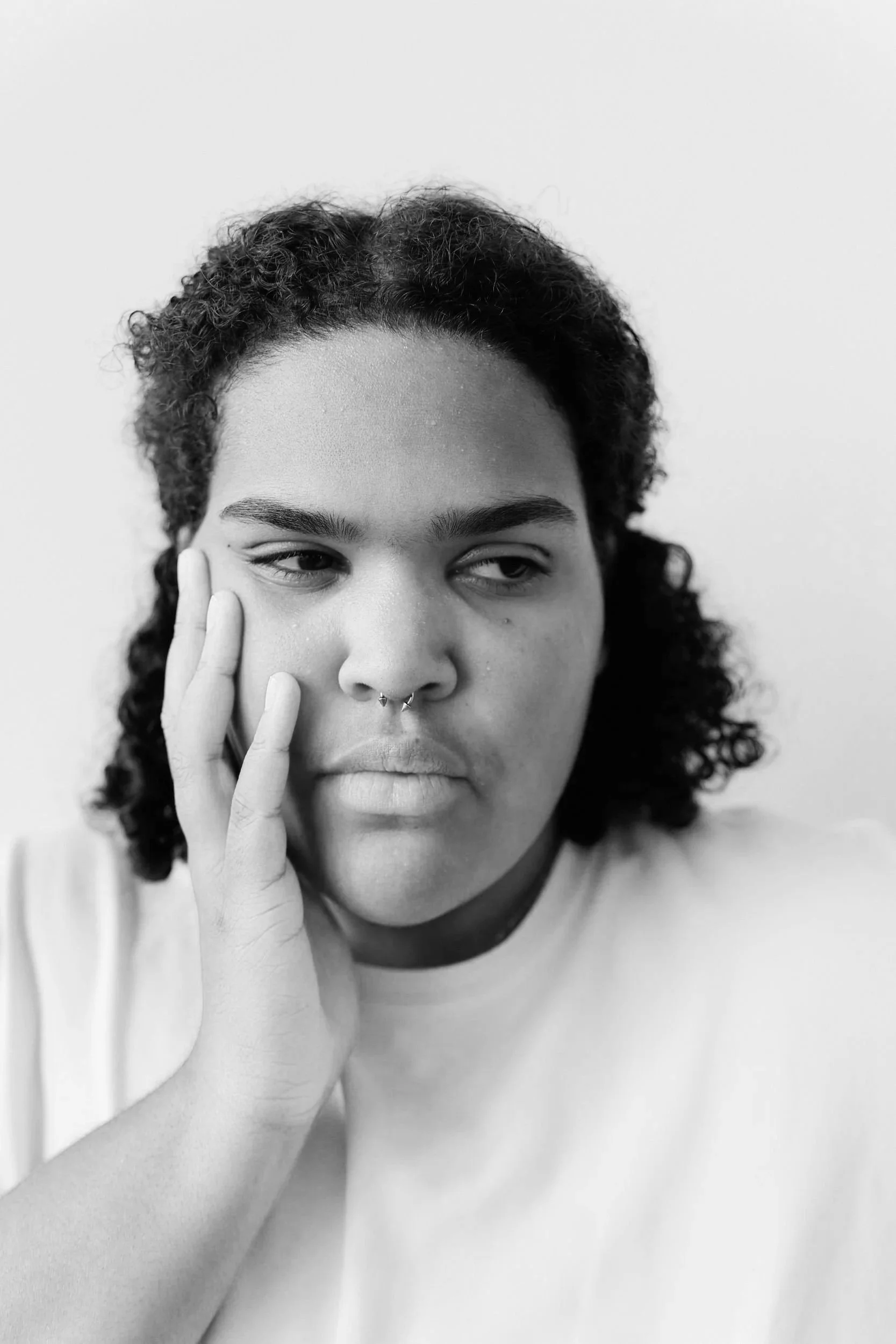
![A Black person with curly hair and a septum ring rests their cheek in one hand and looks to the side.]()
you're frustrated by your sexuality



There is room here for all of you.
Let’s make room for the life you want.
You may have spent years adapting, watching yourself closely, or trying to make yourself easier to understand, accept, or love. Or you might simply sense that something else is possible. Questions about your sexuality, gender, or relationship with your body do not make you a problem to solve. Together, we can get curious about what feels true, what feels good, and what you want more of.
you can
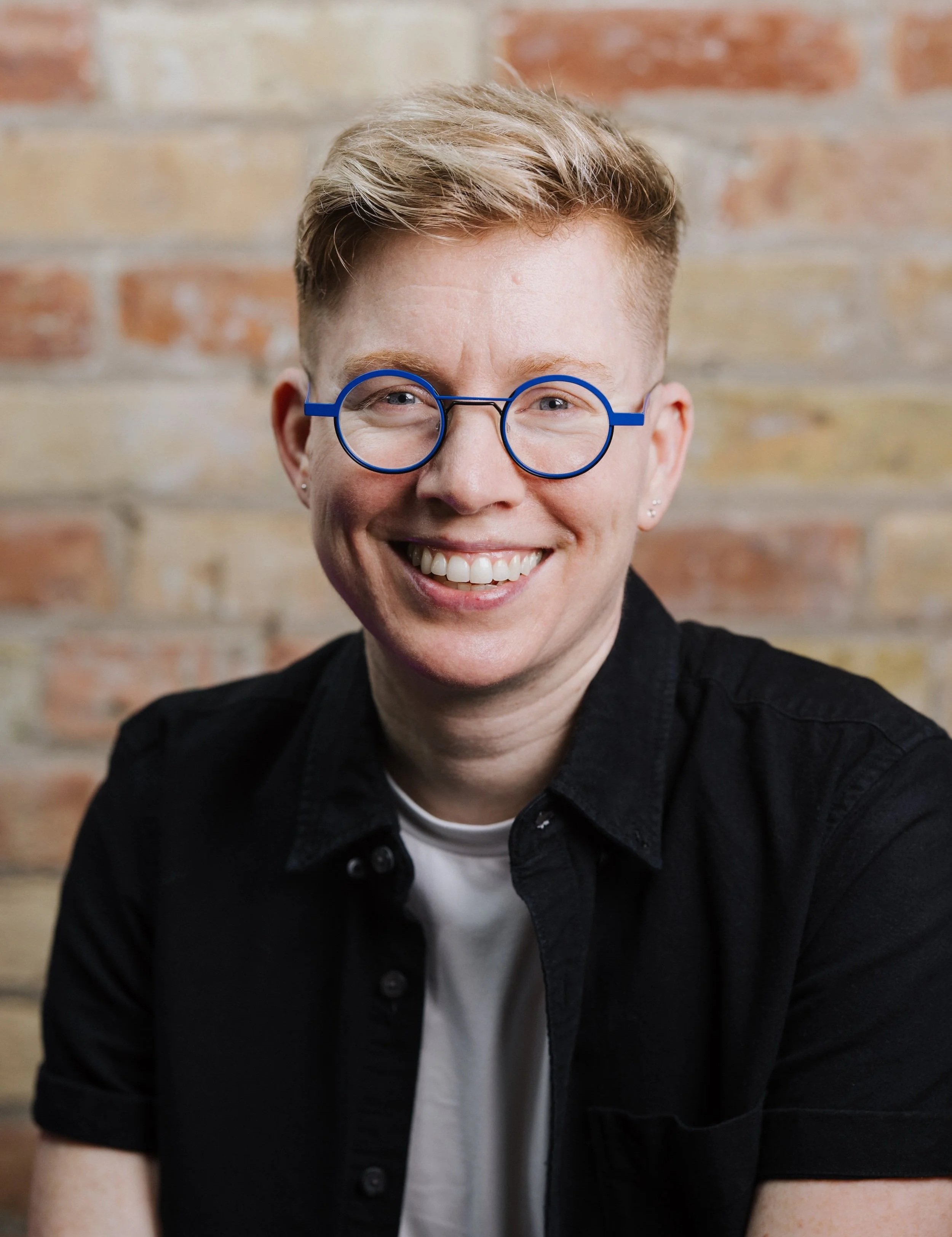
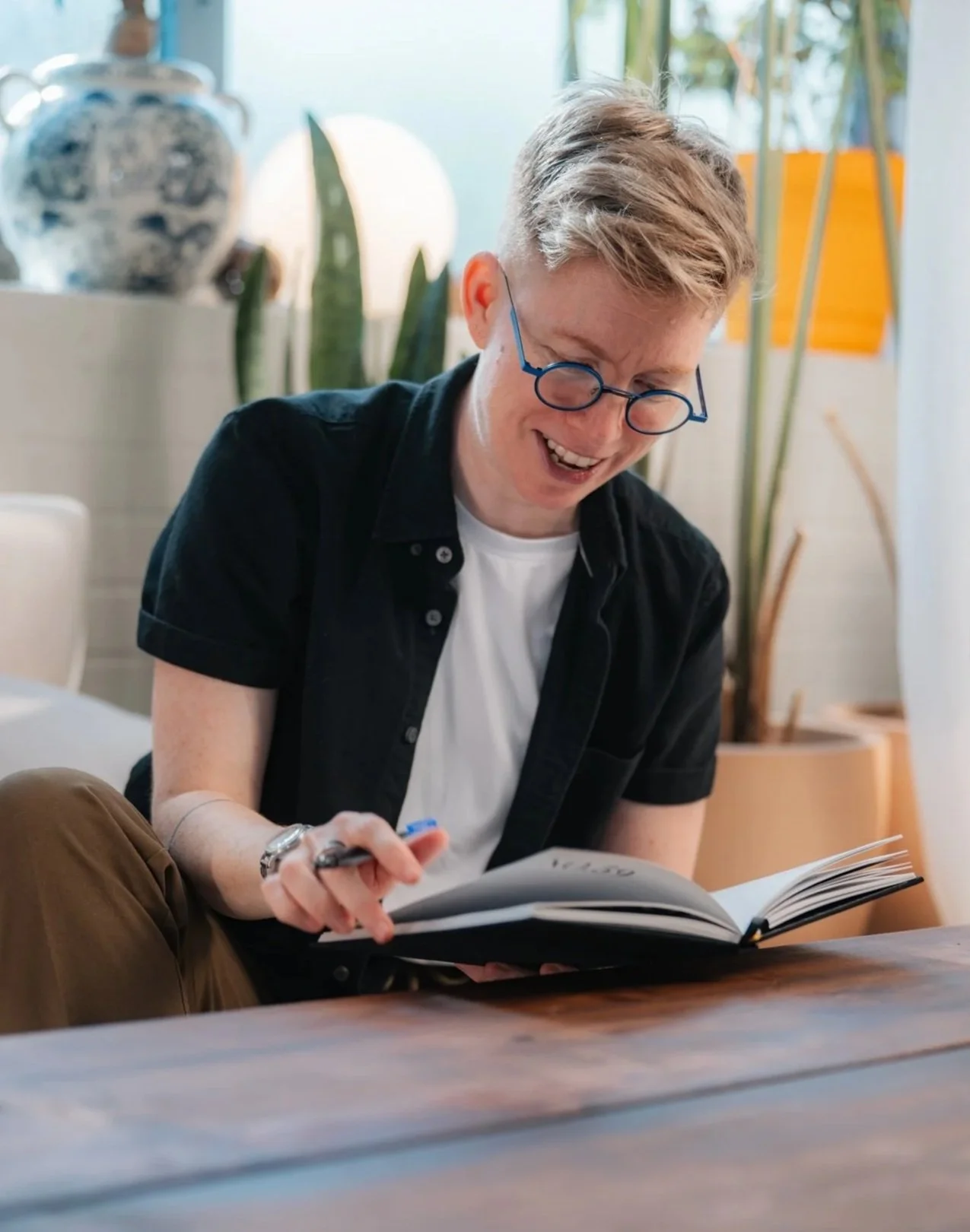
Hi, I’m Ezra (they/them)
call me Ez
I’m a Registered Psychotherapist with over 13 years of experience. My work centres sexuality, gender, desire, relationships, and how we live in and relate to our bodies. I bring warmth, curiosity, candour, and a sense of humour when it helps. My job is to help you hear yourself more clearly—not tell you who to be.
Why I became a therapist →
See how my values shape my work →
What we'll actually do.

We’ll pay attention to what is happening—not only to what you think about it. We might trace a pattern, notice what your nervous system does before you have words for it, listen for what a protective part is trying to accomplish, or try something different and see what happens.
Sometimes we’ll slow down and stay with one small thing. Sometimes we’ll geek out about why brains and bodies do what they do. Sometimes we’ll laugh. I’ll support you, and when a thoughtful challenge could help, I’ll offer that too.
In practice, that might look like:
Getting to know the parts of yourself you have worked hardest not to have.
Learning what your nervous system needs, rather than demanding that it behave differently.
Understanding what sits beneath difficulties with sexuality, desire, pleasure or intimacy.
Making enough room to hear yourself within gender questions, complexity or change.
Building a relationship with your body based less on correction and more on attention, care and choice.
Talking plainly and working practically with arousal, orgasm, erections, pain or whatever else is happening.
The goal isn't to no longer live with complexity and challenge—that's not real life.
It's to build enough skill and trust in listening to yourself and relating to your mind and body that challenge no longer prevents you from creating the life you want.

feel like you’re at a dead end?
Then let’s begin.
-
Yes, I’m currently accepting new clients. You’re welcome to request a free 50-minute consultation so we can talk about what brings you here and see whether working together might feel like a good fit.
-
Yes. You’re welcome to request a free 50-minute online consultation. It gives us room to talk about what brings you here, make space for your questions and see whether working together might feel right.
-
Sessions are offered online, serving folks across Ontario.
-
Individual therapy sessions are $200. You can find more information about fees and other practical details in the logistics section of the request a free consultation page.
-
Sessions are 50 minutes.
-
Possibly. Coverage for Registered Psychotherapists varies from one plan to another.
Before we begin, check whether your plan covers services provided by a Registered Psychotherapist and whether there is a per-session or annual limit. I’ll provide a receipt after each session that you can submit to your insurer.
-
Monday: 9:45am–5:15pm
Tuesday: 9:45am–5:45pm
Wednesday: 9:45am–5:45pm
Thursday: 9:45am–5:15pm
You can find more information about fees and other practical details in the logistics section of the request a free consultation page. -
My sliding-scale spots are currently full. I know $200 is not accessible to everyone, and I don’t want to pretend otherwise.
If a spot becomes available, I’ll update this answer. I also sometimes offer lower-cost groups and workshops as another way to access this work, and I’ll post those offerings on this website whenever I am offering them.
-
Yes. I work with sexuality and sexual functioning concerns involving desire, arousal, erections, ejaculation, orgasm, pain, sexual anxiety, confidence, communication, or feeling disconnected from your body or sexuality.
I won’t assume that more desire, more sex, penetration, orgasm, or a particular kind of body response should be the goal. We’ll begin with your experience: what feels distressing, what feels missing, what you want more or less of, and what—if anything—you want to change.
Your relationship with your body matters, too. Pain and changes in desire, arousal, orgasm, or erections deserve thoughtful medical attention alongside therapy. I won’t reduce what is happening to something that is “all in your head.” We can look at the whole picture: what is happening physically, what your nervous system has learned, what happens between you and other people, and the meanings or shame that may have gathered around sex.
The goal is not to make your sexuality look more normal. It is to help you understand what is happening and move toward more choice, connection, and ease—on your terms.
-
Yes. I work with Autistic people, people with ADHD, and other neurodivergent people.
You won’t need to convince me that your needs are real, perform “good therapy,” or make yourself easier for me to understand. Accessibility needs are not inconveniences. If you need more time, more clarity, more movement, less eye contact, or a different way into a question, we can work with that. You are not doing therapy wrong.
I’m not interested in helping you become better at masking or easier for other people to manage. I’m interested in helping you understand yourself, spend less energy fighting your own brain and nervous system, and build a life that works better for you.
Therapy should make more room for you—not ask you to take up less.
-
I work with adults exploring sexuality, gender, embodiment, relationships, shame, desire, and change. My practice is especially welcoming to queer, trans, neurodivergent, questioning, kinky, polyamorous, and asexual people, though you do not need to belong to any particular community or use any particular label to work with me.
You may know exactly what you want to explore. You may only know that something feels off, that you’re tired of fighting yourself, or that the life you’re living no longer fits. You don’t need a polished explanation, years of previous therapy, or a particular talent for talking about feelings. Part of the work is finding the language together.
Any of those is enough to begin.
I offer individual therapy and do not currently work with couples.
-
Many therapists offer a brief introductory call. I offer a free 50-minute online consultation because choosing a therapist is an important decision, and I don’t think you should have to make it after a rushed introduction.
We’ll have time to talk about what you’re looking for, what kind of support I offer, and any questions or concerns you have. You can get a real sense of how I work and how it feels to talk together, without needing to share anything you’re not ready to share or make a decision on the spot.
The point is to give your concerns, your questions—and you—room to breathe. -
There is no required commitment and no predetermined number of sessions. Some people come for a handful of sessions focused on a specific concern. Others stay longer as they work through more complex or longstanding patterns. We will regularly check in about how therapy is feeling, what is changing, and whether our work together continues to feel useful.
-
I don’t work with children or teens. Working with young people is its own specialty, and they deserve a therapist who really knows that work.
Age is not the only consideration around fit, though. I work with people who have enough independence in their lives to make meaningful choices for themselves and pursue the changes they want. That doesn’t mean having everything figured out or are entirely independent—very few of us are. It means that coming to therapy is your choice, and the life you’re working toward is yours to shape.
-
“I used to think I was indecisive. But now I'm not so sure.”
I know. It's a terrible joke.
Why put a joke in the FAQ? Because therapy can involve some difficult exploration, but the way I work also makes room for more than staring into the darkness. Noticing your strengths, celebrating your wins, finding moments of pleasure and, yes, laughing at terrible jokes and the ridiculousness of life are part of healing, too.


There are more possibilities than you currently see.
you can begin from here
A consultation isn’t a commitment to a whole path. It’s a chance to bring what you’re carrying, ask your questions, and see whether I might be able to support you.